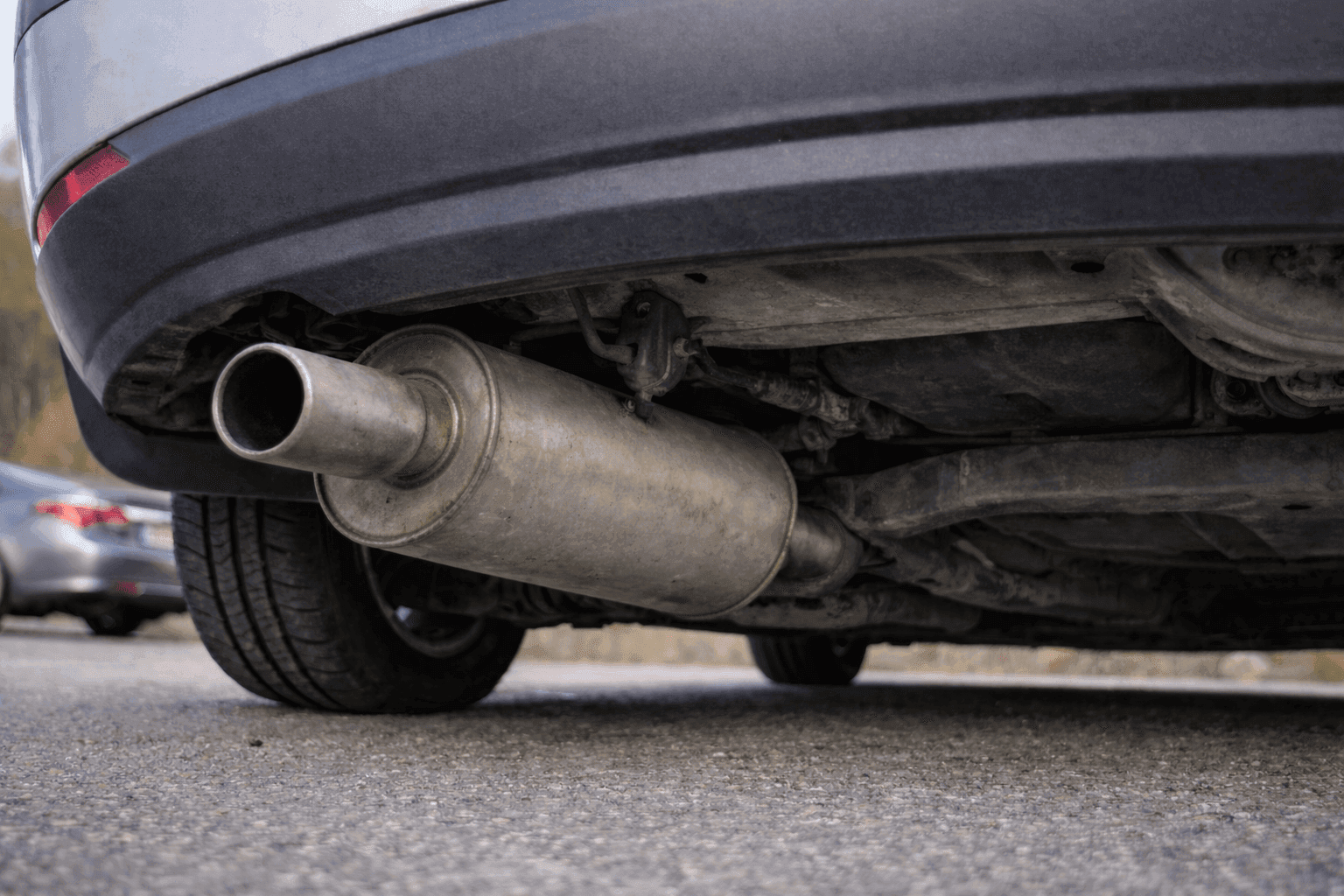
While mechanics and experienced drivers may already be familiar with exhaust system components, many everyday motorists aren’t always sure what parts like the exhaust back box actually do - or how to tell when they’re starting to fail. Because exhaust problems often develop gradually, the warning signs can be easy to overlook at first.
In this guide, we’ll explain what an exhaust back box is, the most common symptoms of failure, and why dealing with the problem early can help you avoid MOT issues and more costly repairs later on.
What is an exhaust back box?
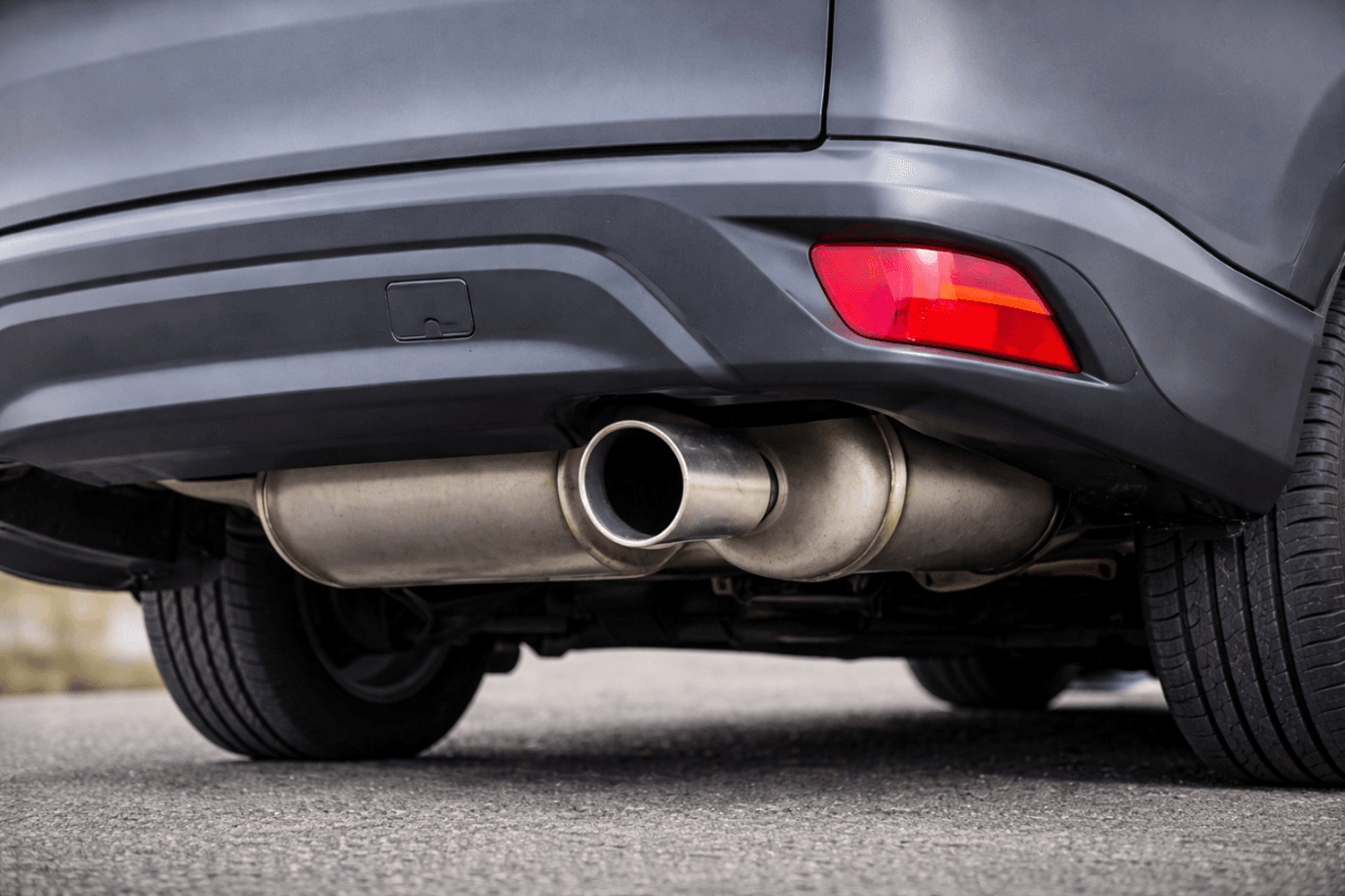
The exhaust back box, often referred to as the rear silencer, is the final section of your vehicle’s exhaust system. Its main role is to reduce engine noise, control exhaust flow, and ensure fumes are released safely away from the car.
Because it sits at the very rear and lowest point of the vehicle, the back box is constantly exposed to road spray, moisture, salt, and debris. Over time, this exposure makes it one of the most vulnerable exhaust components - and one of the most common to fail.
Common signs of a failing exhaust back box
Increased exhaust noise
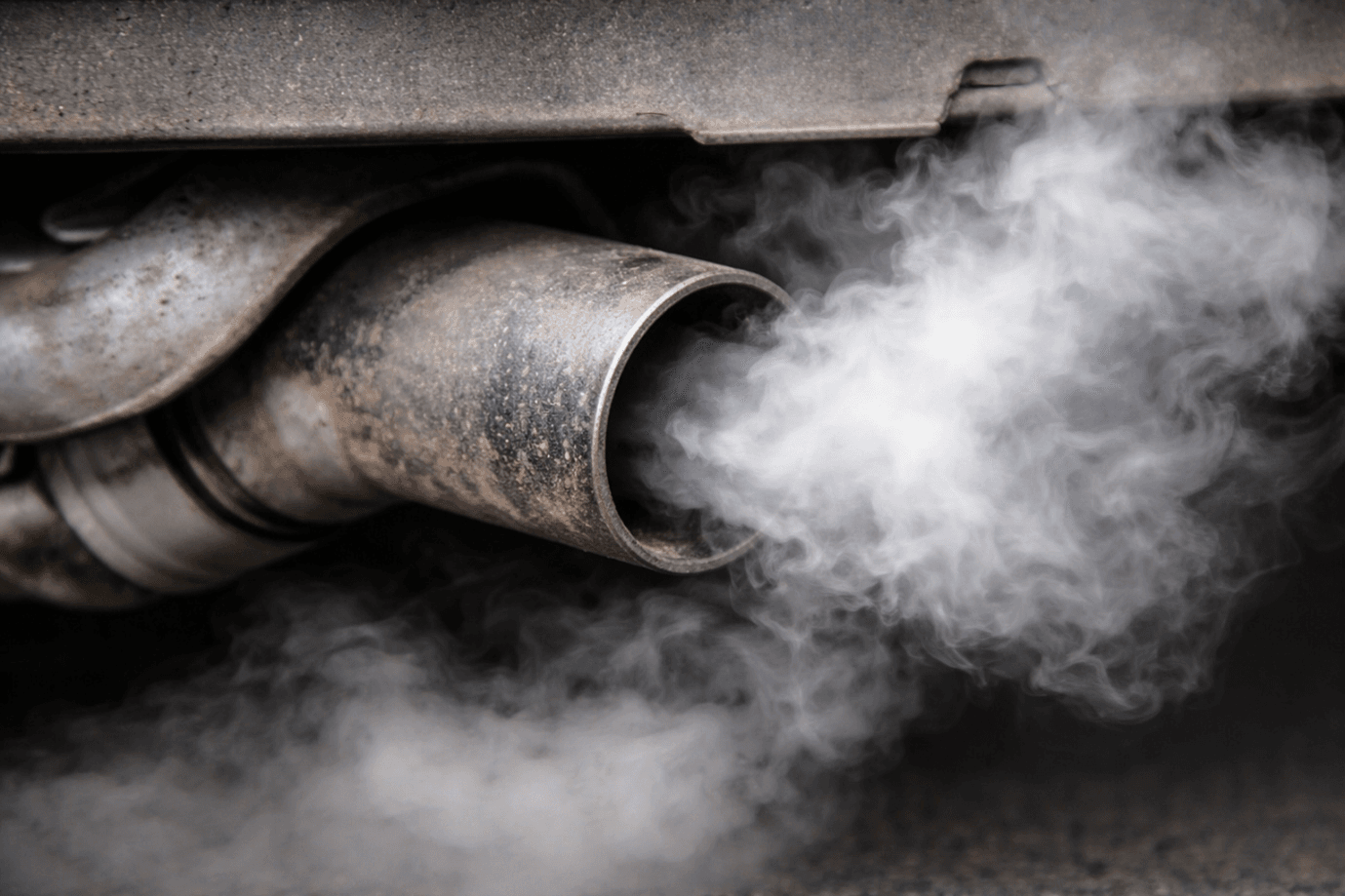
One of the earliest and most noticeable symptoms of a failing back box is a louder exhaust. The sound may become deeper, harsher, or more boomy than usual. This typically happens when internal baffles begin to break down or when corrosion creates small holes in the casing.
Drivers often describe the noise as a blowing or chuffing sound from the rear of the car, or a sudden increase in volume when accelerating.
Rattling or knocking from the rear
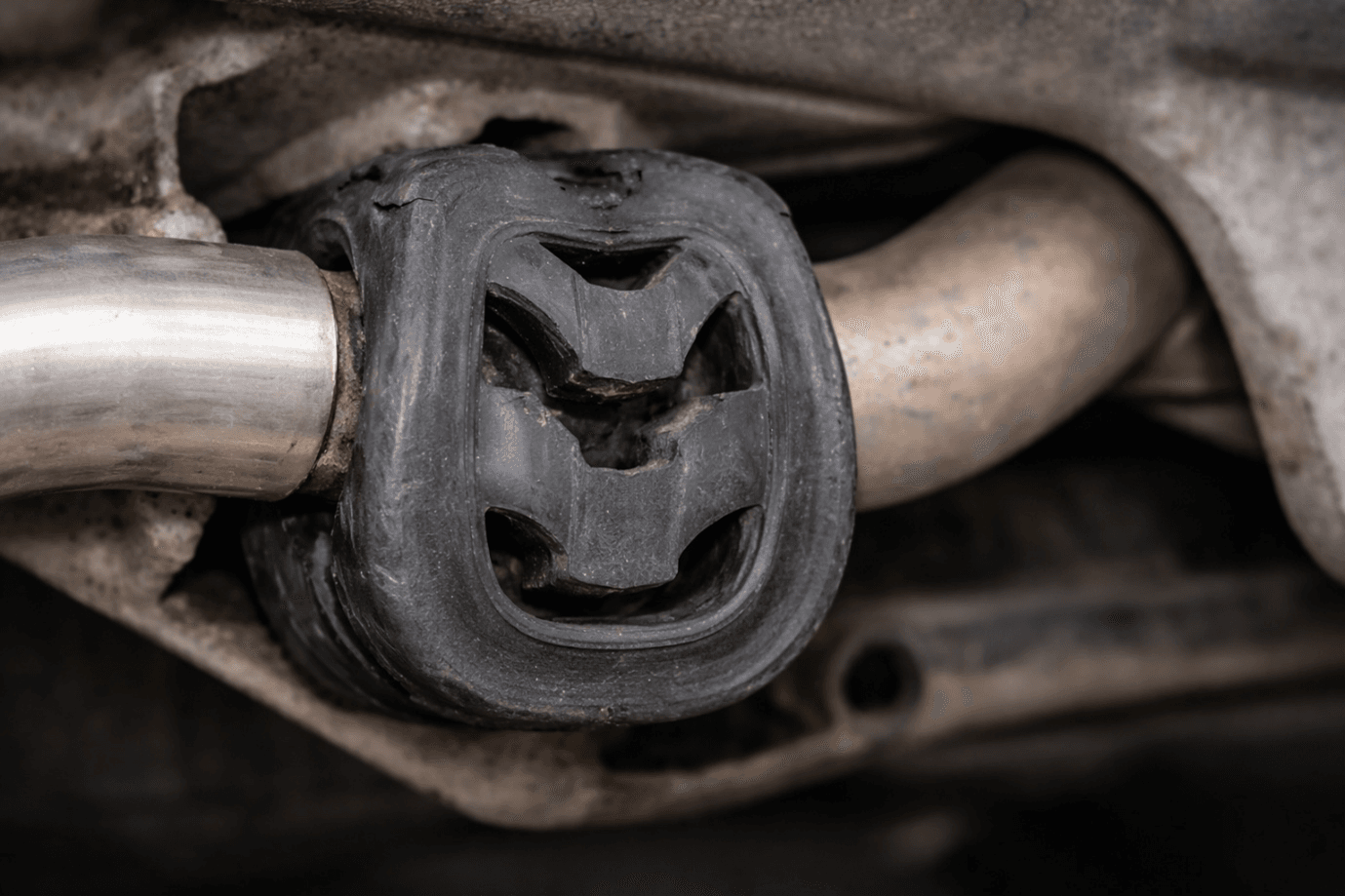
If you hear a metallic rattle or knocking noise underneath the car, particularly when driving over bumps, it can indicate loose internal components within the back box or damaged exhaust mountings.
This is commonly caused by rusted internal baffles, snapped exhaust hangers, or cracked welds that allow parts of the exhaust to move when they shouldn’t.
Visible rust or holes
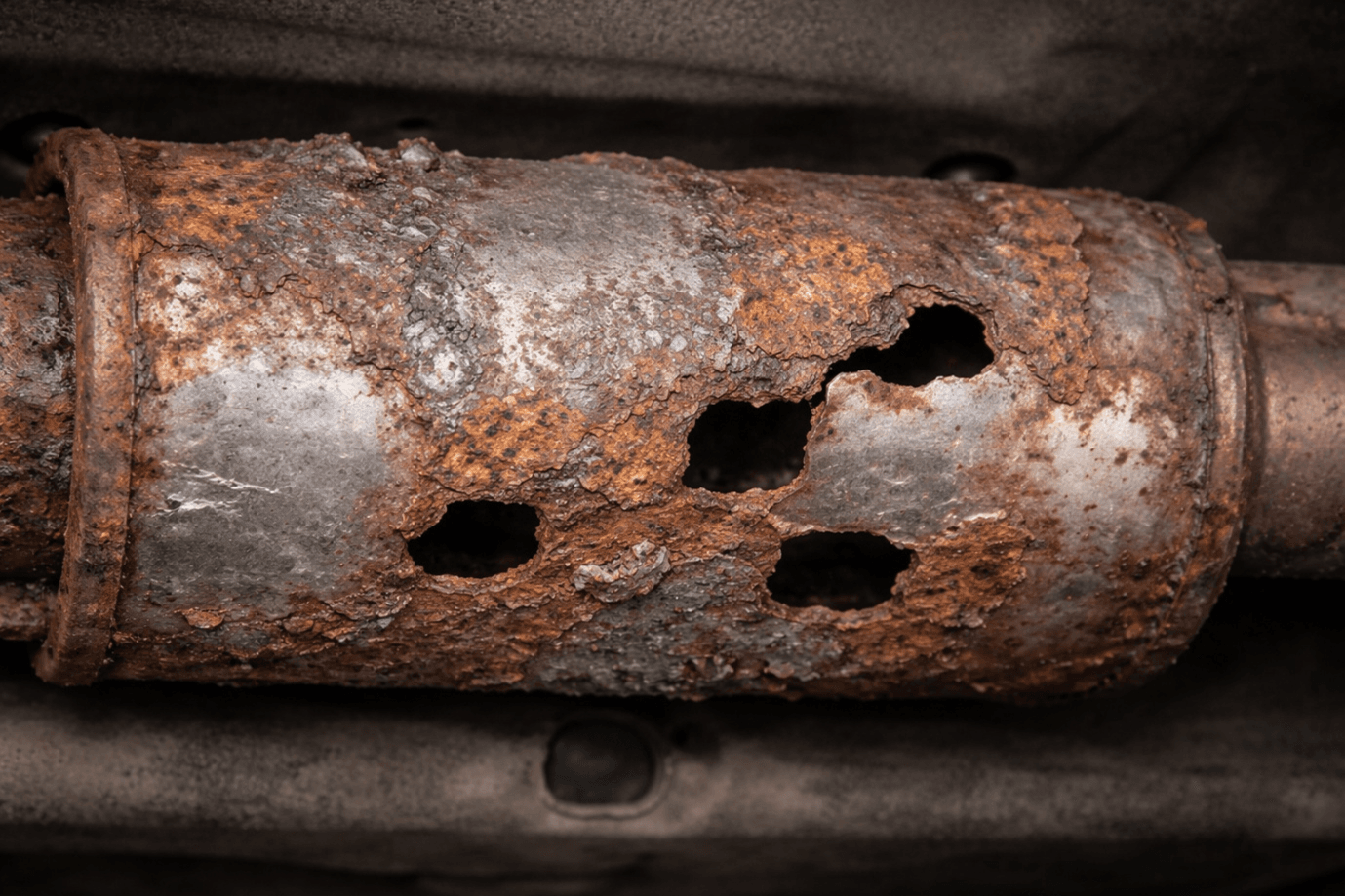
Some surface rust is normal on older exhaust systems, but heavy corrosion, flaking metal, or visible holes are clear signs that the back box is reaching the end of its life. Once corrosion penetrates the outer casing, exhaust gases can escape and repairs become unreliable.
As a general rule, if you can see holes caused by rust, the exhaust is already leaking.
Exhaust fumes near the back of the car

A damaged back box can allow exhaust fumes to escape before they reach the tailpipe. This is often most noticeable when the engine is idling or when the vehicle is stationary.
Escaping exhaust gases are a concern because, under certain conditions, fumes can be drawn back into the cabin, which may pose a health risk to occupants.
MOT advisories or failures
During an MOT, the exhaust back box is inspected for excessive noise, gas leaks, insecure mountings, and structural corrosion. Any of these issues can result in an advisory or a fail.
Even relatively minor corrosion can be flagged, and if it worsens before the next test, it often leads to a failure.
Can you drive with a failing exhaust back box?
In some cases, you may still be able to drive with a failing back box, but it’s not recommended for long. The damage will usually worsen over time, causing the exhaust to become louder and less secure.
What begins as a minor noise can quickly turn into an MOT failure or a safety concern. Continuing to drive with a damaged back box can also put extra strain on other exhaust components, increasing the likelihood of further repairs.
Will a faulty back box fail an MOT?
Yes. An exhaust back box will fail an MOT if it is excessively noisy, has holes or leaks, is insecurely mounted, or allows exhaust gases to escape.
Even if the issue is initially recorded as an advisory, it often develops into a failure by the next test if left unresolved.
What causes exhaust back box failure?
The most common cause of failure is corrosion, driven by constant exposure to moisture and road salt. Short journeys also play a major role, as condensation builds up inside the exhaust and doesn’t have time to evaporate.
Age and mileage naturally wear down internal components, while impacts from speed bumps or kerbs can weaken the casing or mountings. In some cases, lower-quality materials can rust more quickly, shortening the lifespan of the back box.
When does an exhaust back box need replacing?
Replacement is usually the best option when there are visible holes or cracks, when exhaust noise has increased noticeably, or when internal rattling is present. It’s also recommended if the vehicle has failed - or is likely to fail - an MOT due to exhaust-related issues.
While patching or welding may seem like a cheaper option, these fixes are often short-term, particularly on heavily corroded back boxes.
Choosing the right replacement back box
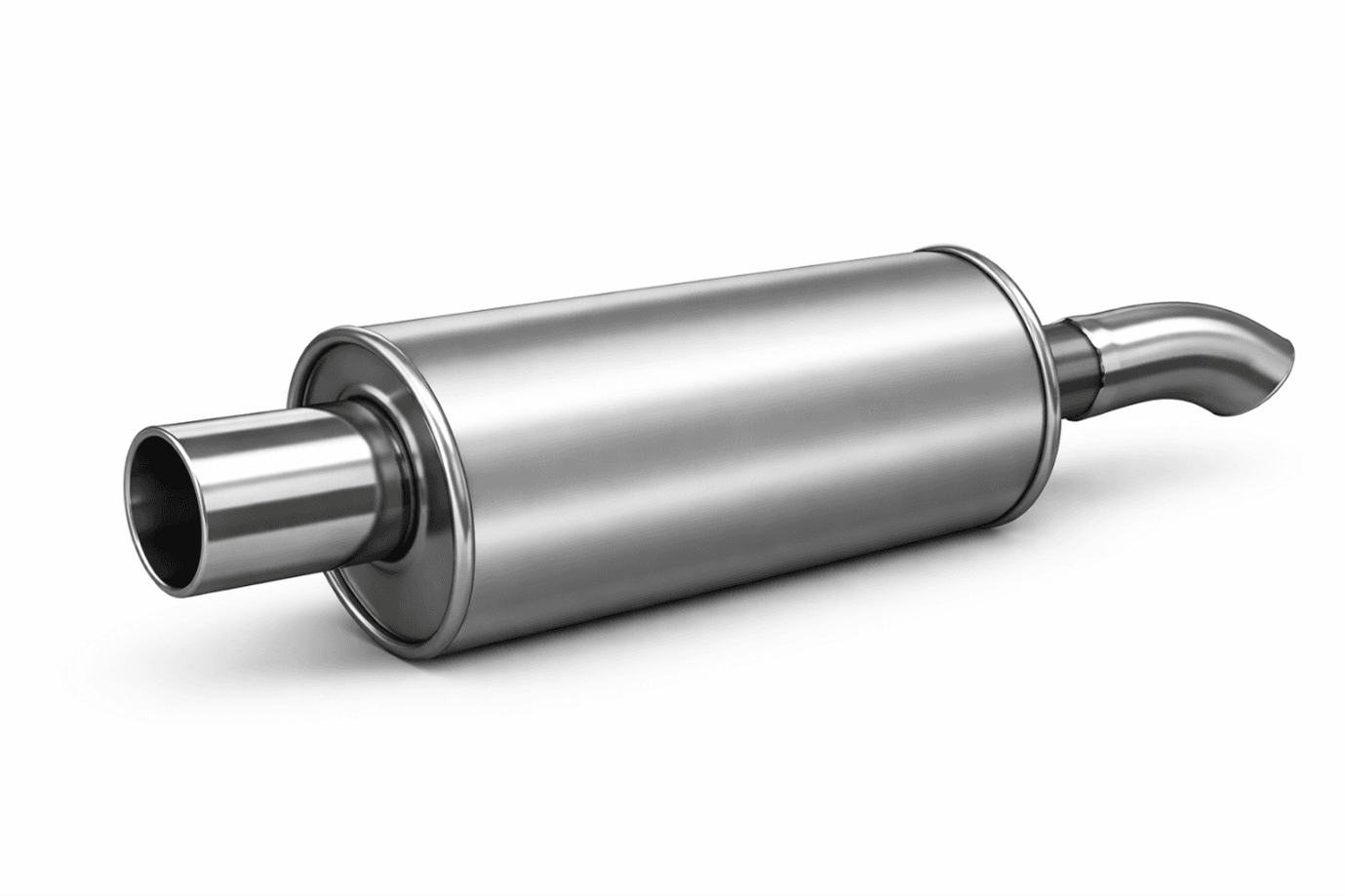
When replacing an exhaust back box, it’s important to choose one that matches your vehicle’s fitment, engine size, and emissions requirements. Quality aftermarket options, such as EuroFlo exhaust back boxes, are designed to meet original equipment standards for durability and noise control.
Direct-fit replacements restore original sound levels and performance without the need for modification, making them a reliable long-term solution. Suitable options can be found within the exhaust back box category.
Final thoughts
A failing exhaust back box is usually easy to diagnose once you know what symptoms to look for. Spotting the issue early can help prevent MOT failures, reduce excessive noise, and avoid further damage to the exhaust system.
If your car is louder than usual, rattles from the rear, or shows signs of corrosion, it’s worth checking the back box and addressing the problem before it escalates.